
Key takeaways
- Record the cabinet and location first.
- Check condition and inventory separately.
- Assign every issue an owner and follow-up date.
Record cabinet identity and location
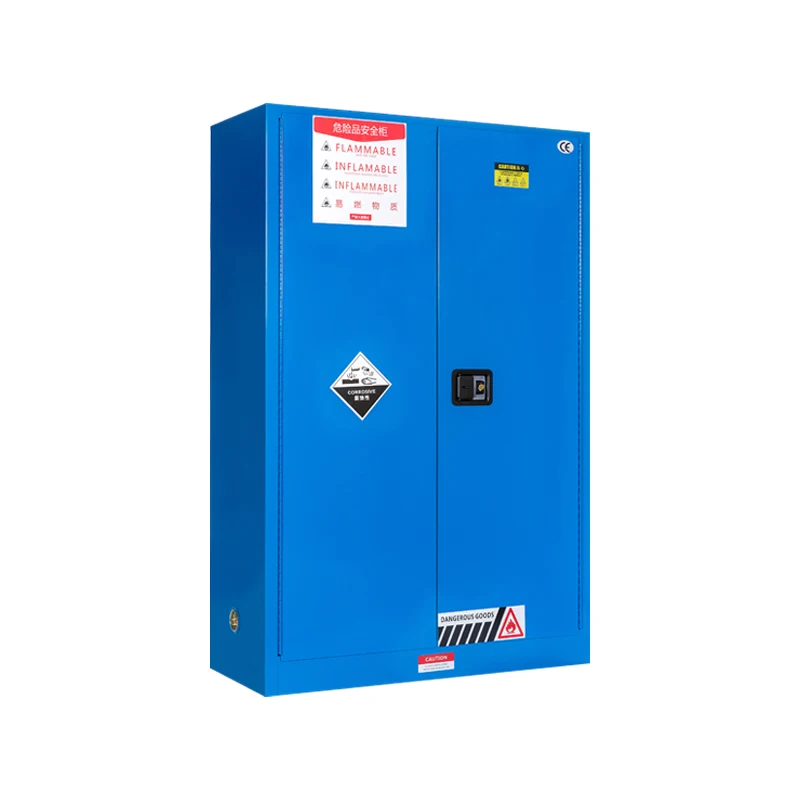
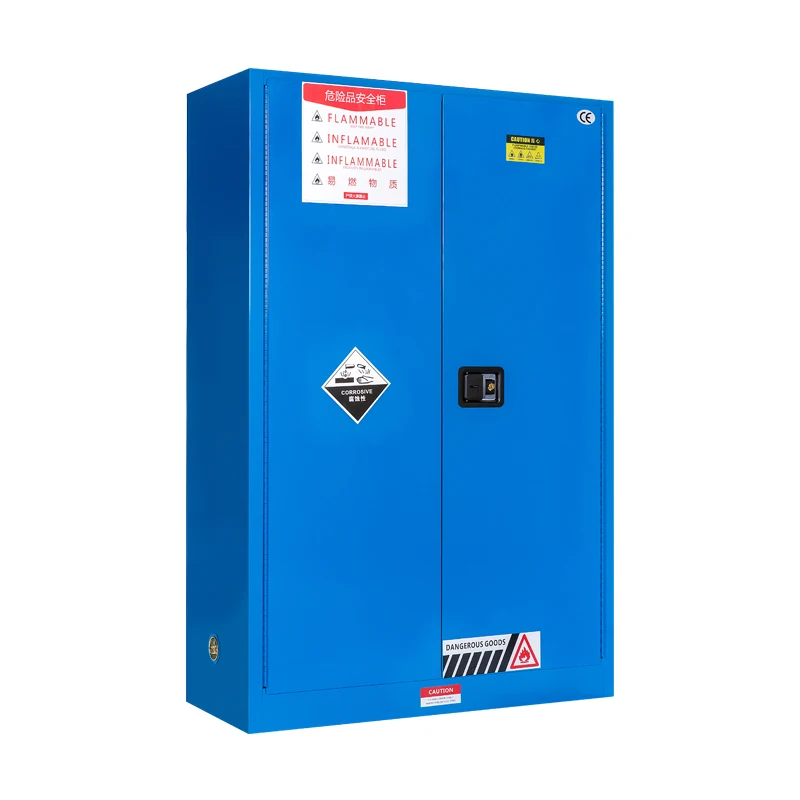
Start each inspection with the cabinet model or asset number, room, date and inspector. Photograph the cabinet if the facility process allows it, especially when a condition needs follow-up.
Inspect the cabinet condition
- Body, seams and visible corrosion or damage
- Doors, hinges, handles and locks
- Shelves, trays and supports
- Labels and cabinet identification
- Openings, caps or connections included with the model
- Housekeeping around the cabinet
- 01Record the cabinet and location first.
- 02Check condition and inventory separately.
- 03Assign every issue an owner and follow-up date.
Review the stored inventory
Compare the actual contents with the facility inventory and current SDS records. Check container condition, closures, labels, dates where relevant and signs of leakage. Escalate compatibility or segregation questions through the facility safety process.
Close the inspection with an action record
| Record | Required detail |
|---|---|
| Finding | Condition and exact location |
| Immediate action | Isolation, cleanup or access restriction if required |
| Owner | Person or team responsible |
| Due date | Follow-up and verification date |
Adapt the checklist to the site
Inspection frequency, acceptance criteria and corrective actions should follow the facility program, stored materials, manufacturer information and applicable local requirements. This checklist is a starting structure, not a site approval procedure.
Inspect condition, contents and controls separately
A clean exterior does not confirm suitable storage. Inspect the cabinet structure and hardware, then the containers and inventory, then administrative controls such as labels, SDS access and corrective-action records. Separating the three prevents housekeeping observations from hiding chemical or mechanical issues.
Do not open, move or clean a leaking or unknown container unless the facility procedure authorizes the task and appropriate responders are involved.
| Layer | Examples | Record |
|---|---|---|
| Cabinet | Corrosion, seams, doors, shelves, locks | Condition and location |
| Contents | Labels, closure, leakage, compatibility | Container and SDS reference |
| Controls | Inventory, signage, inspection history | Owner and due date |
Connect findings to corrective action
Use the chemical storage cabinet selection guide when an inspection shows that the cabinet family no longer matches the inventory. Route incompatibility findings through the chemical segregation checklist.
When damage or configuration cannot be assessed from the asset record, request cabinet specifications and drawings. For corrosion-related replacement decisions, compare polypropylene versus steel cabinets against the actual chemical list.
Make inspection findings reproducible
Write findings so another person can locate and verify them. ‘Cabinet damaged’ is not actionable; ‘lower left door seam shows coating loss and orange corrosion approximately 80 mm long’ is. Record the asset number, room, shelf or component, photograph reference where permitted, immediate control, responsible person and due date. Use the same terminology from one inspection to the next so deterioration can be compared.
Inventory findings need the same precision. Record the container label, size, condition and location rather than writing ‘chemicals mixed.’ If incompatibility is suspected, avoid rearranging unknown or damaged containers without the facility procedure. Escalate the chemical names and SDS references to EHS. Close the action only after the repair, replacement, disposal or reassignment has been verified and dated.
- Separate observation from interpretation.
- Assign one owner and due date to every open item.
- Use photographs only under the facility information policy.
- Retain model documents with the asset record.
- Trend repeated defects rather than resetting the checklist each cycle.
Build an inspection program instead of a one-time checklist
Set inspection frequency from the inventory, use rate, cabinet condition, manufacturer information and facility risk assessment. A lightly used locked cabinet and a high-turnover process cabinet may not justify the same interval. Define who inspects, which conditions require immediate isolation, and who has authority to return the cabinet to service.
Use a baseline inspection when the cabinet is commissioned. Record photographs where permitted, shelf configuration, door operation, labels, model documents and approved inventory groups. Later inspectors can then distinguish deterioration from original construction. Track recurring findings—such as damaged shelf coatings or unclosed containers—because repeated observations may indicate a purchasing, training or workflow problem.
Close the loop through procurement. If parts are unavailable, loads are undocumented or material damage recurs, use the inspection record to define replacement requirements. Preserve the old model, defect and chemical context so the new cabinet is selected against evidence rather than replacing like for like without analysis.
References
- 29 CFR 1910.1200 — Hazard CommunicationU.S. Occupational Safety and Health Administration
- NIOSH Pocket Guide to Chemical HazardsCDC / NIOSH
Sources support the cited regulatory and safety context. They do not certify a Safatrix product or replace model documentation and project review.